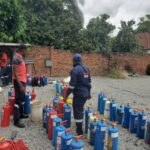
Essential Fire Safety in Industrial Areas

Navigating the Heat: Essential Fire Safety in Industrial Areas
Industrial areas, the powerhouses of our economy in Harare and beyond, present a unique and often heightened risk of fire incidents. The presence of flammable materials, heavy machinery, complex electrical systems, and high-temperature processes creates a perfect storm if robust fire safety measures aren’t in place. At Makanaka Fire Prevention, we understand the critical importance of safeguarding these vital hubs. This blog post delves into essential fire safety considerations for industrial areas, emphasizing proactive measures and the need for expert guidance.
Understanding the Unique Fire Hazards in Industrial Settings:
Unlike residential or commercial spaces, industrial environments often grapple with specific and intensified fire hazards:
- Flammable and Combustible Materials: From raw materials and chemicals to finished products and waste byproducts, many industrial processes involve significant quantities of flammable or combustible substances.
- High-Temperature Operations: Welding, cutting, grinding, and furnace operations inherently involve high temperatures and the potential for ignition.
- Complex Electrical Systems: Heavy machinery and intricate electrical wiring can be prone to faults, leading to electrical fires if not properly maintained and inspected.
- Machinery Overheating: Continuous operation of heavy equipment can lead to overheating and potential ignition of lubricants or nearby materials.
- Dust and Particle Accumulation: In certain industries, the accumulation of combustible dust can create an explosive atmosphere.
- Storage and Handling Practices: Improper storage and handling of flammable materials can significantly increase fire risks.
Proactive Fire Safety Measures: Building a Culture of Prevention:
The cornerstone of fire safety in industrial areas is a proactive approach focused on prevention. Makanaka Fire Prevention advocates for the following essential measures:
- Comprehensive Fire Risk Assessments: A thorough and regularly updated fire risk assessment is paramount. This identifies specific hazards, evaluates existing control measures, and recommends necessary improvements tailored to the unique processes and layout of your industrial facility in Zimbabwe.
- Strict Control of Ignition Sources: Implementing stringent procedures to control potential ignition sources is crucial. This includes hot work permits, regular inspection and maintenance of electrical equipment, designated smoking areas, and measures to prevent static electricity buildup.
- Safe Storage and Handling of Flammable Materials: Adhering to strict guidelines for the storage, handling, and transportation of flammable and combustible materials is non-negotiable. This includes proper labeling, ventilation, segregation, and spill containment measures.
- Dust Control and Management: For industries generating combustible dust, implementing effective dust collection systems and rigorous cleaning schedules is vital to prevent dust explosions.
- Regular Equipment Maintenance: Scheduled maintenance of all machinery, including electrical systems and ventilation, helps prevent overheating and malfunctions that could lead to fires.
- Emergency Shutdown Procedures: Clearly defined and regularly practiced emergency shutdown procedures for critical equipment and processes are essential to quickly isolate hazards in case of a fire.
Effective Fire Suppression and Detection Systems:
Despite the best preventative measures, the risk of fire can never be entirely eliminated. Therefore, robust fire detection and suppression systems are crucial:
- Appropriate Fire Detection Systems: Installing and maintaining suitable fire detection systems, such as smoke detectors, heat detectors, and flame detectors, is essential for early warning. The type and placement of detectors should be tailored to the specific hazards of the industrial environment.
- Effective Fire Suppression Systems: Depending on the specific risks, industrial facilities may require various fire suppression systems, including sprinkler systems, foam systems, gas suppression systems, and strategically placed fire extinguishers. The selection and design of these systems must be carried out by qualified professionals.
- Regular Inspection and Maintenance: All fire detection and suppression systems must be regularly inspected, tested, and maintained by certified technicians to ensure they function effectively when needed most. Makanaka Fire Prevention offers comprehensive maintenance services to keep your systems in optimal condition.
The Human Element: Training and Emergency Preparedness:
Technology alone cannot guarantee fire safety. A well-trained workforce is a critical component:
- Comprehensive Fire Safety Training: All employees working in industrial areas must receive thorough fire safety training that covers fire hazards, emergency procedures, evacuation plans, and the proper use of fire extinguishers and other safety equipment. Regular refresher training is essential.
- Clearly Defined Evacuation Plans: Well-defined and clearly communicated evacuation plans, including designated escape routes and assembly points, are crucial for ensuring the safe and orderly evacuation of personnel in case of a fire. Regular evacuation drills are vital.
- Emergency Response Teams: Establishing and training on-site emergency response teams can significantly enhance the facility’s ability to handle fire emergencies effectively before external help arrives.
Partnering with Makanaka Fire Prevention for Industrial Safety:
At Makanaka Fire Prevention, we understand the complexities of fire safety in industrial environments across Harare and Zimbabwe. Our experienced team offers a comprehensive range of services tailored to meet the unique needs of your industry, including:
- Detailed Fire Risk Assessments: Identifying specific hazards and recommending appropriate control measures.
- Design and Installation of Fire Detection and Suppression Systems: Providing customized solutions for your facility.
- Regular Inspection and Maintenance Services: Ensuring the reliability of your fire safety equipment.
- Comprehensive Fire Safety Training Programs: Empowering your workforce with the knowledge and skills to respond effectively.
- Emergency Evacuation Plan Development and Drills: Preparing your team for a safe and orderly evacuation.
Conclusion:
Fire safety in industrial areas is not merely a regulatory requirement; it’s a fundamental responsibility that protects lives, assets, and the continuity of operations. By understanding the unique hazards, implementing proactive prevention measures, investing in effective fire suppression systems, and prioritizing comprehensive training, businesses in Harare and beyond can significantly mitigate the risk of devastating fire incidents. Partner with Makanaka Fire Prevention to navigate the complexities of industrial fire safety and build a safer, more resilient future for your operations. Contact us today for a consultation and let us help you safeguard your industrial powerhouse.